Blog/Article
A brand activation lives or dies on the room it happens in. Great creative, a tight budget and a sharp brief can still fall flat in the wrong space, and the right space can do half the work for you before a single guest walks in. Across the UK, brand teams are increasingly choosing venues built to be transformed rather than simply hired, and 2026 is shaping up to be the year a blank canvas becomes the default brief rather than the exception. This guide covers what actually matters when you're sourcing a venue for a brand activation, what it costs, and where to start looking.
Not every great-looking space is activation-ready. The venues that work hardest are usually built with flexibility in mind: high ceilings and clear floor space that let you build a set rather than work around one, generous power supply for lighting and AV rigs, and loading access wide enough for a full production get-in without disrupting the street outside. Exclusivity matters too. A shared space with someone else's furniture in the corner rarely reads as a brand world, however good the styling.
Location does real work too. A venue in a high-footfall creative district (think Shoreditch, the Northern Quarter, or the Baltic Triangle) brings organic passers-by and a ready-made sense of relevance. A venue tucked away brings privacy and control instead, better suited to press previews or invite-only events. Neither is automatically right; it depends on whether the activation is built to be discovered or to stay exclusive.
Finally, look at what the venue is used to hosting. A space with a track record of activations will already have riggers, AV specs and load-in logistics worked out, which saves days of back-and-forth compared with a beautiful but untested space.
Costs vary hugely by city, size and exclusivity, but as a rough steer, a half-day hire of a mid-size creative space outside London typically starts from a few hundred pounds, rising past £2,000 to £5,000 for a full-day, exclusive-use hire of a flagship warehouse or gallery space in central London. Build days (the time you need in the space before doors open to construct sets and rig AV) are usually charged separately, and they're often the cost that catches brand teams out. Budget at least one full build day into any quote, more if you're working with a bespoke set.
Always ask what's included versus what's an add-on. Security, cleaning, insurance and out-of-hours access can each add meaningfully to a headline day rate, and a lower quote that excludes them often isn't the cheaper option once everything lands on the invoice.
London remains the deepest market for pure activation space, with the widest range of warehouse, gallery and retail-adjacent spaces concentrated around Shoreditch, Soho and King's Cross. Manchester's Northern Quarter has built a real cluster of creative studios and industrial spaces that rival London's on character, often at a lower day rate. Liverpool's waterfront and dockside warehouses are increasingly popular for larger-format activations that need scale and a strong backdrop, with the wider city region adding purpose-built exhibition space for anything larger still.
Birmingham's creative quarters offer flexible industrial space close to excellent transport links for a nationwide audience, and Edinburgh and Glasgow both mix historic, characterful buildings with newer contemporary spaces. Useful if your activation needs a sense of occasion rather than a blank box.
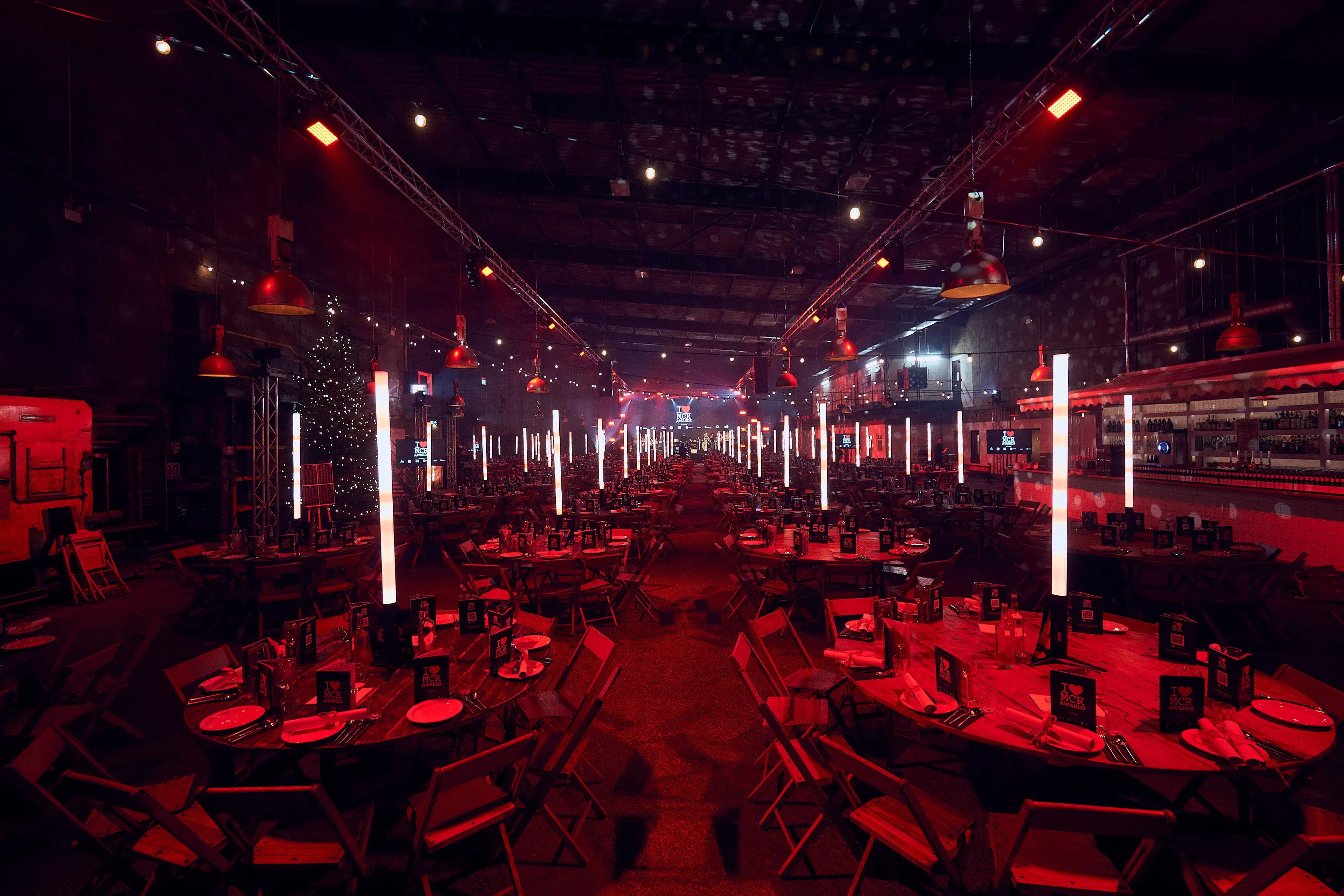
A former die-casting factory turned event space, Diecast is about as close to a true blank canvas as Manchester gets. The factory floor is raw, industrial and genuinely enormous, with a built-in festival stage, indoor and outdoor areas, on-site parking and capacity for up to 5,000 across the site. Its dark, atmospheric character makes it a regular choice for film and video production as well as brand work, and there's ample back-of-house for green rooms, dressing rooms and catering. If your brief calls for a full build with no compromises, start here.
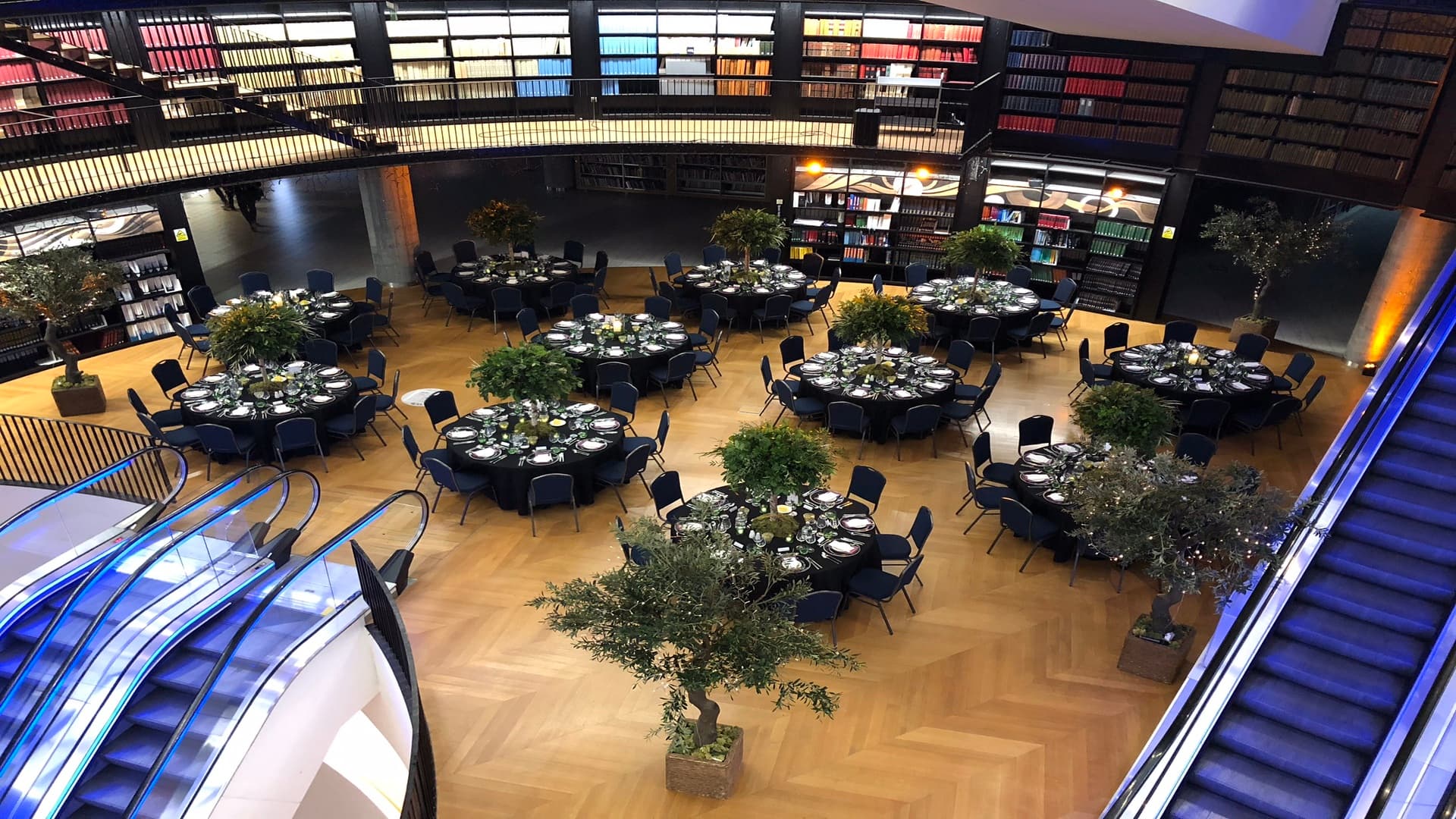
The Library of Birmingham trades the blank box for genuine visual drama. The Book Rotunda puts guests inside a floor-to-ceiling wall of books for receptions and dinners of up to 200, while the Discovery Terrace holds up to 300 overlooking Centenary Square. Higher up, the restored Victorian Shakespeare Memorial Room comes with exclusive use of the adjoining Skyline Viewpoint and its panoramic city views. With three terraces and New Street a short walk away, it suits activations pulling in a national audience by rail.
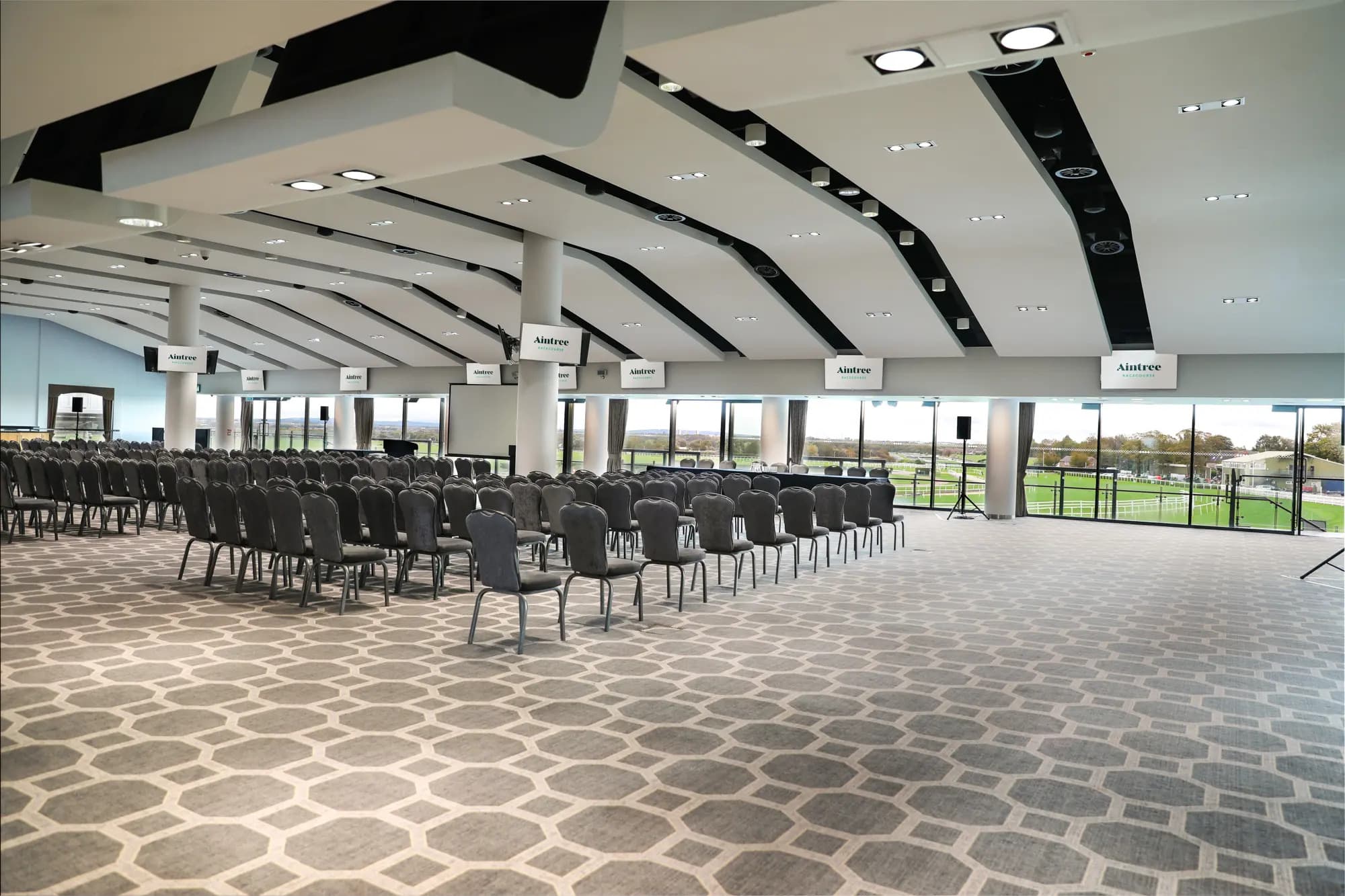
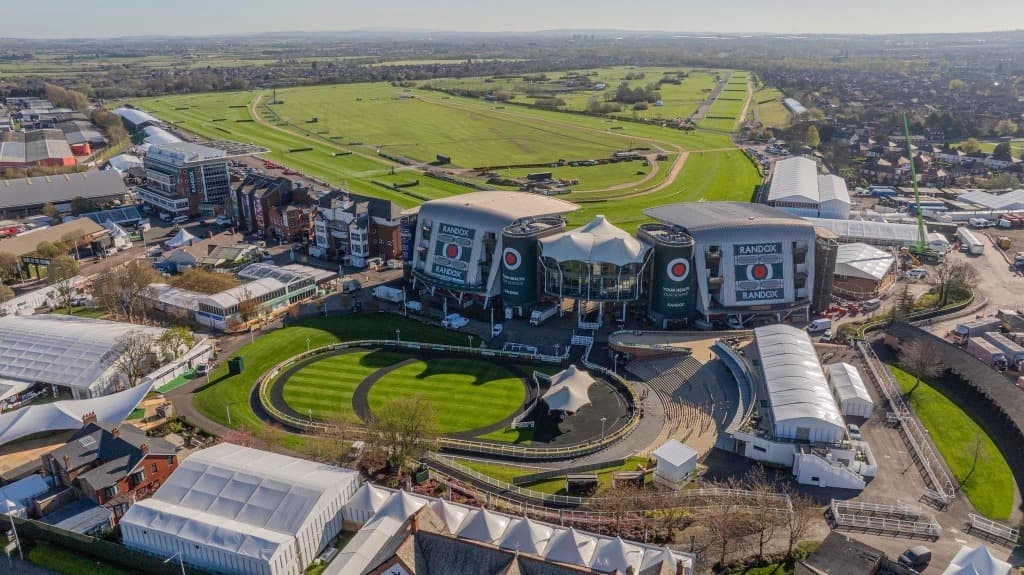
For activations that need real scale, Aintree Racecourse is hard to beat. Home of the Randox Grand National, it offers 3,700sqm of hard-standing exhibition space, an Exhibition Hall with full-height roller doors for straightforward get-ins, and outdoor capacity for up to 5,000 in the Red Rum Garden alongside indoor events for up to 600. Free parking for 1,800 cars and its own train station make it a genuine option for consumer-facing activations drawing crowds from across the region. Purpose-built for exhibitions, product launches and motor shows, with a team used to delivering events at national scale.
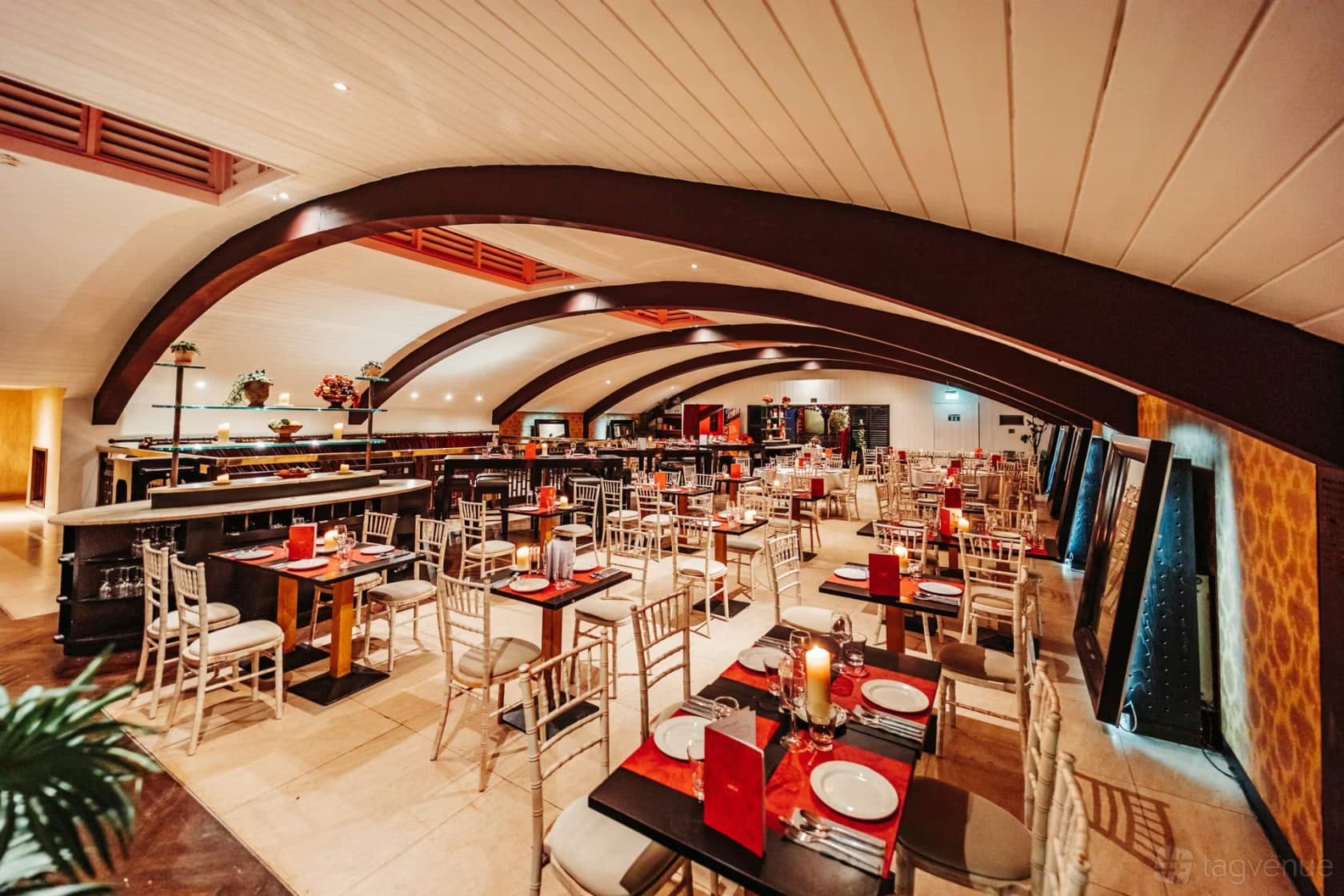
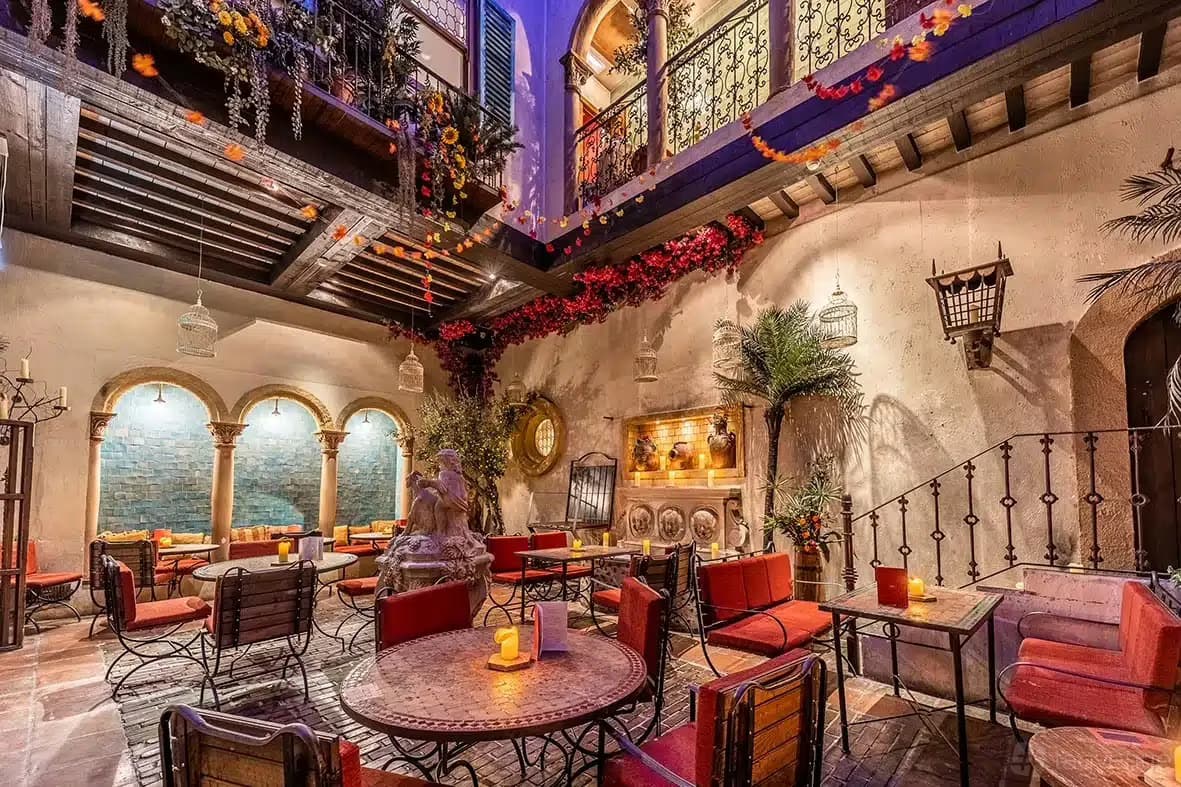
For activations that need atmosphere rather than a shell, Artà in Glasgow's Merchant City delivers it across three floors of a historic building: a candlelit hacienda-style bar, a first-floor restaurant, a courtyard and a late-night club space. The whole venue is available for exclusive hire Sunday to Friday, with capacity reaching 1,700 across the building, and individual rooms available for smaller press and influencer moments. Immersive by default, it's a natural fit for hospitality, drinks and lifestyle brands who want the space to carry the story.
What's the difference between an activation venue and a standard event space? An activation venue is chosen specifically to be transformed, usually a shell rather than a fully dressed room, with the power, access and flexibility to support a full brand build. A standard event space is often already furnished and styled for conferences or parties, which makes it faster to use but harder to make feel fully on-brand.
How far ahead should you book for a product launch? Aim for at least eight to twelve weeks for a straightforward activation, and four to six months if you need a specific flagship space, a bespoke build, or a date during a busy season like September or November.
Wherever the brief takes you, the fastest route to the right room isn't more scrolling. It's telling us what you're building. Share your brief and we'll match you with venues, across every city above, that are ready to say yes.
A brand activation lives or dies on the room it happens in. Great creative, a tight budget and a sharp brief can still fall flat in the wrong space
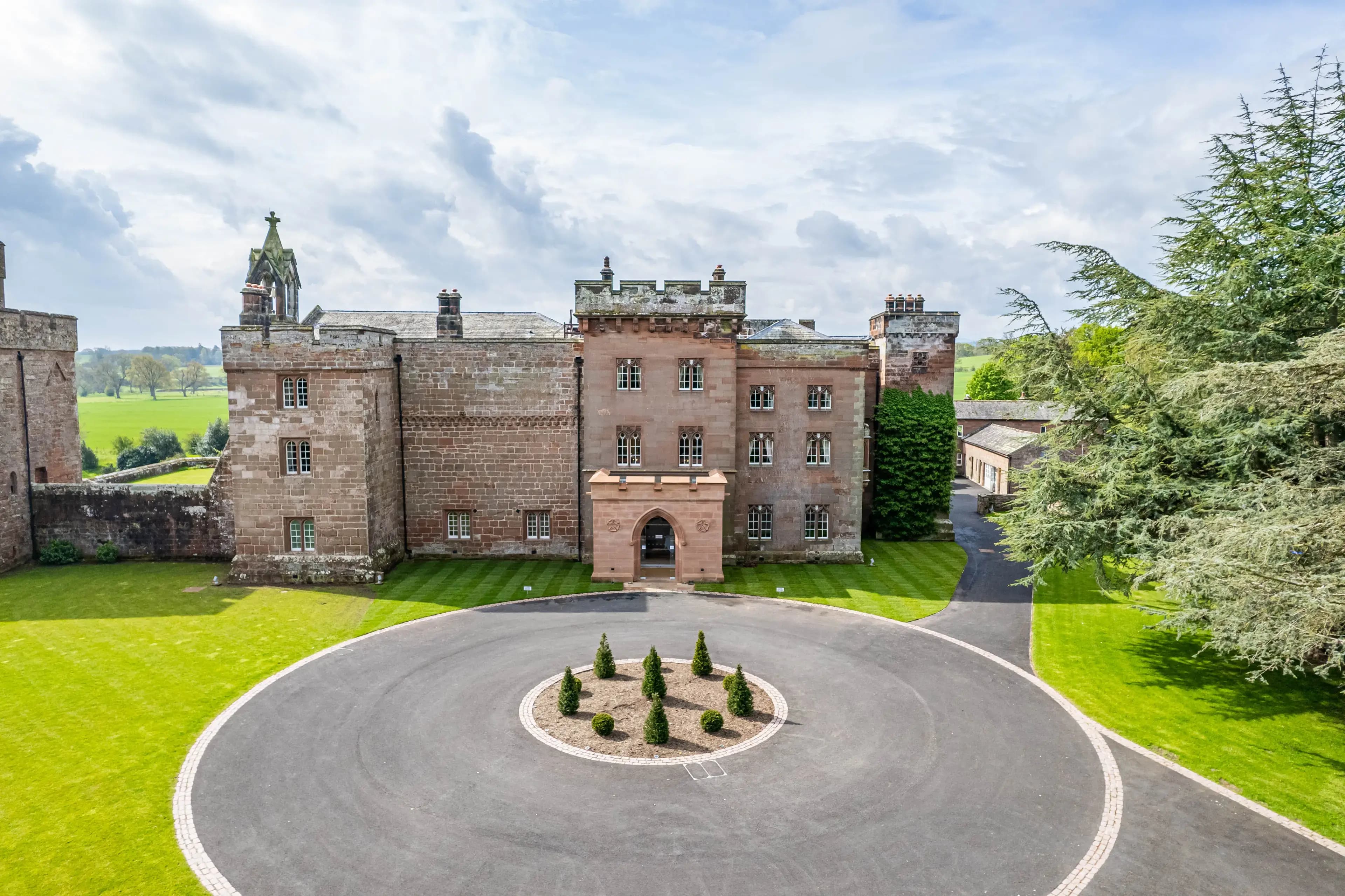
Nestled in the Cumbrian countryside, Rose Castle offers an extraordinary setting for meetings, conferences,, away days, and corporate celebrations.
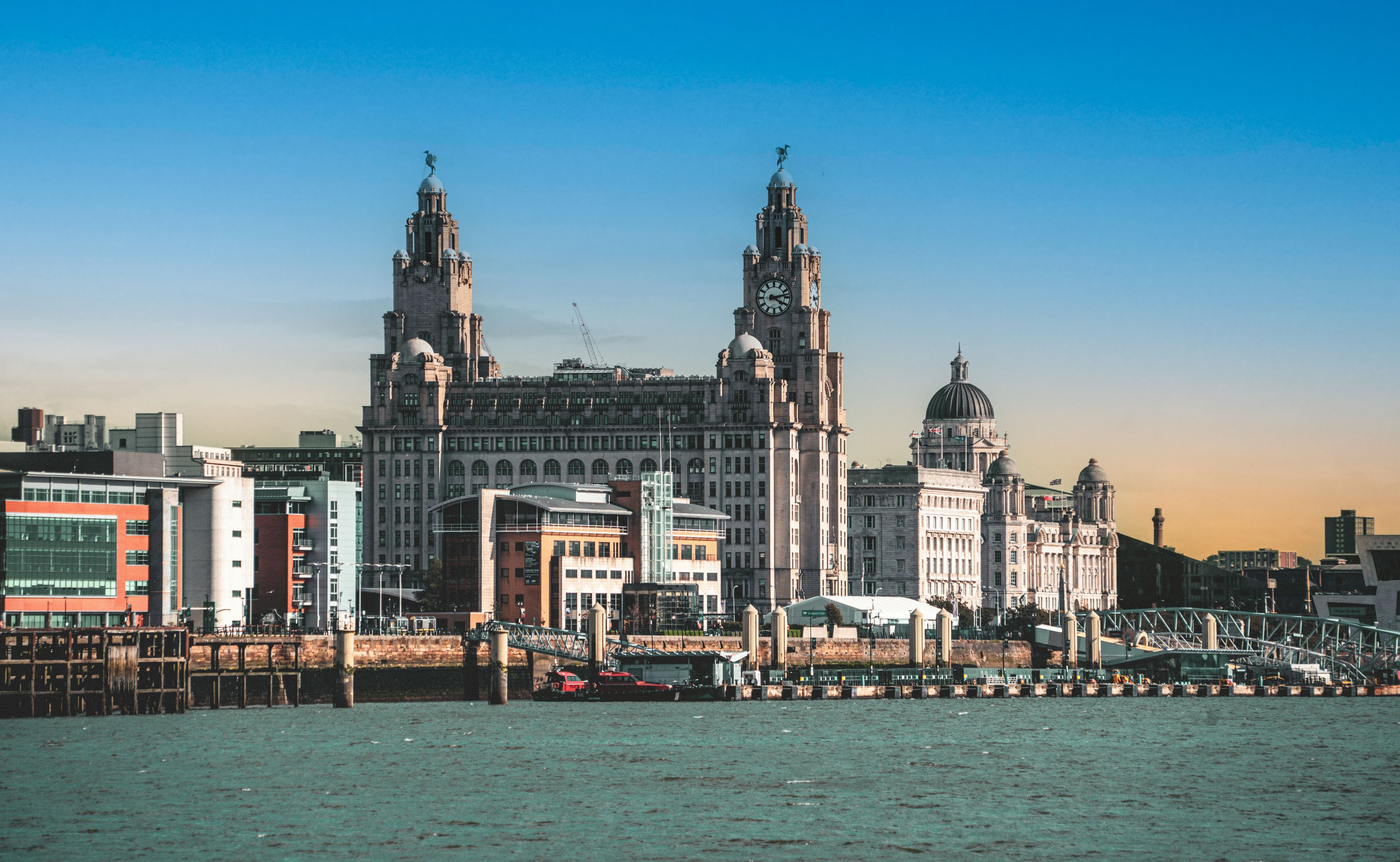
Liverpool comes alive in summer, these are the spaces we'd point you to first, each available to hire and each made for the season.
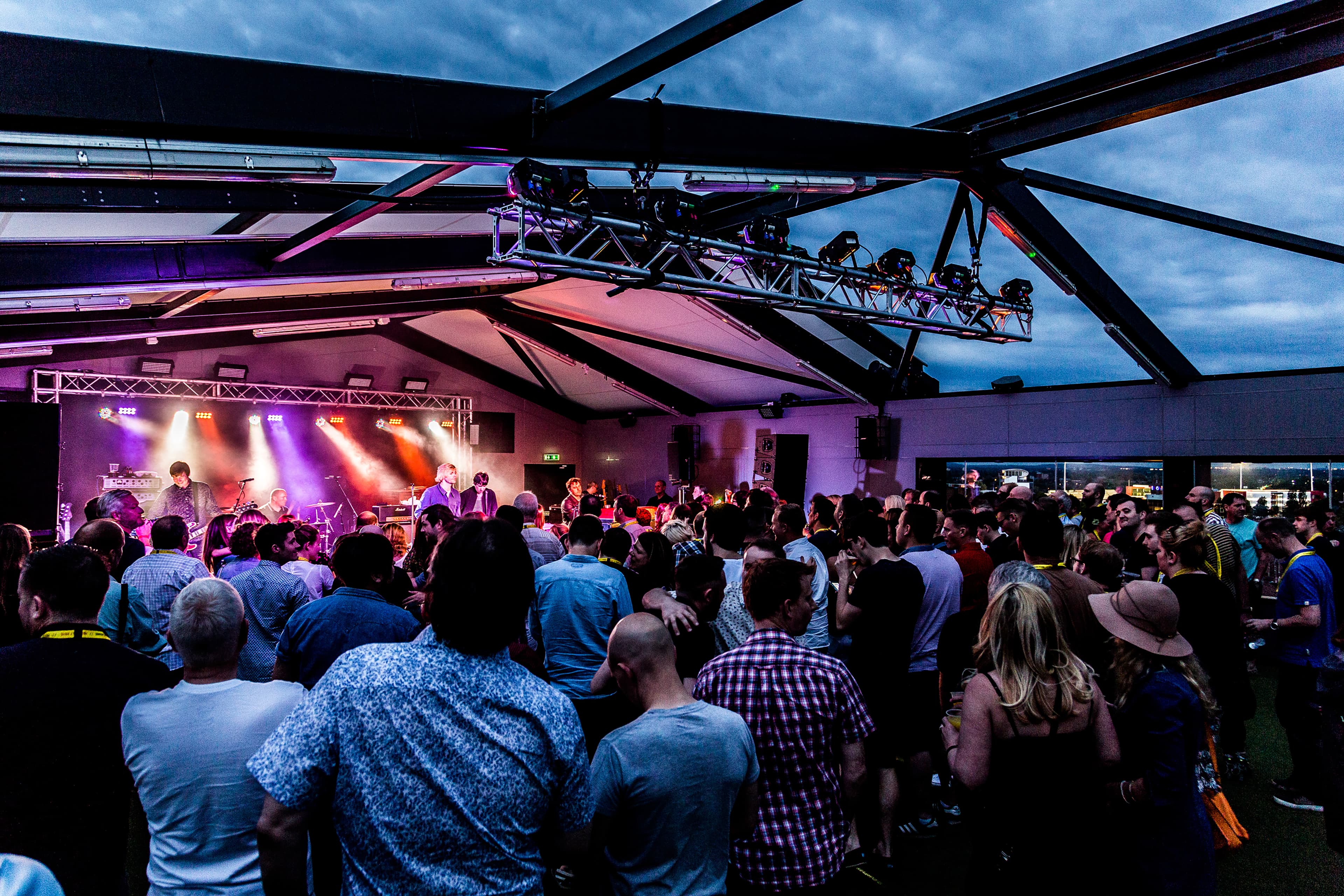
Manchester is a thriving hub for corporate summer events, offering a range of stylish and versatile event venues perfect for summer gatherings.
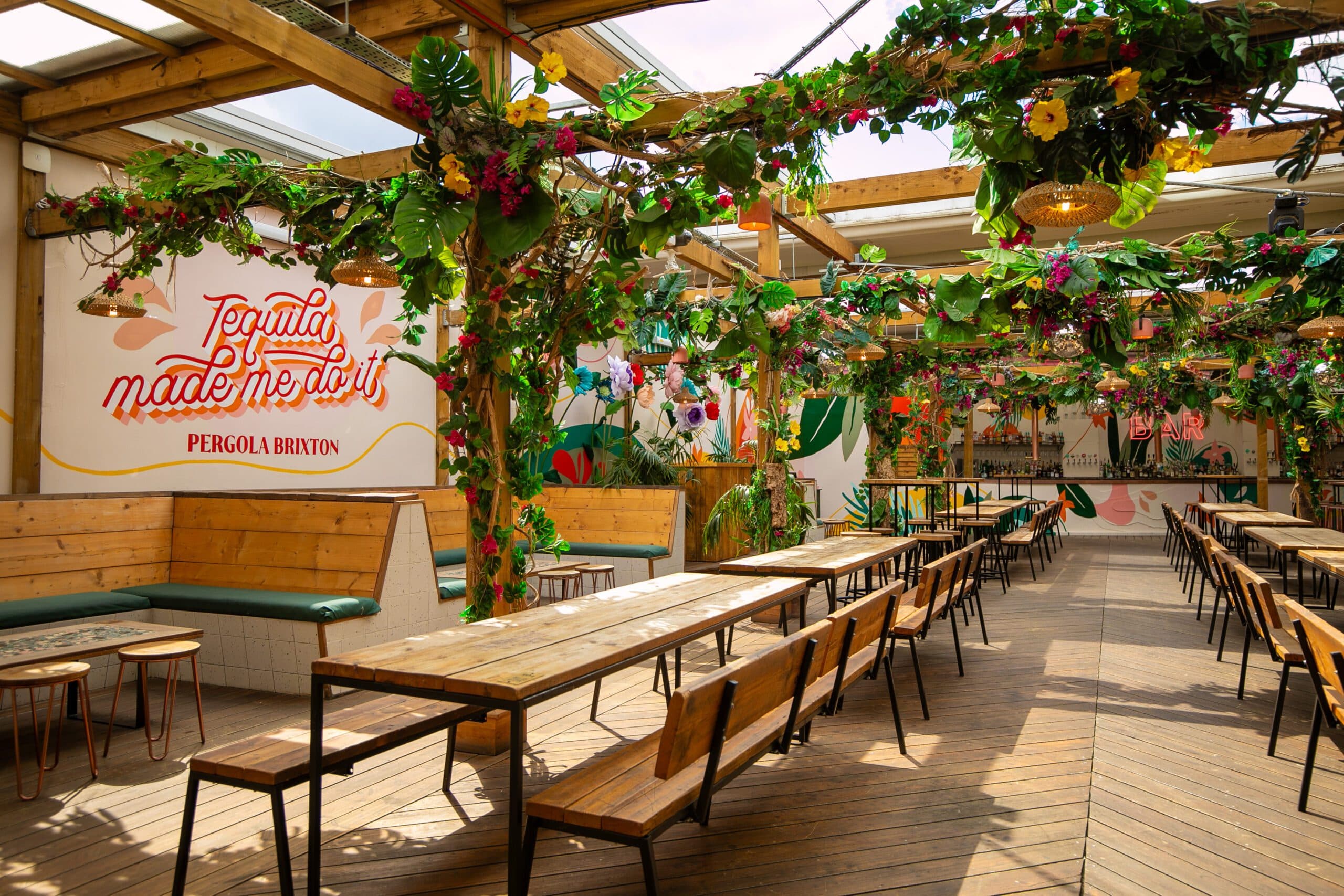
Nestled in the heart of Brixton, Pergola Brixton is the ideal venue for corporate events of all sizes.
.jpg&w=3840&q=75)
La Mon Hotel & Country Club stands out as one of the region’s premier destinations for conferences, meetings, and events.
.jpg&w=3840&q=75)
Corporate Away Day specialises in helping clients find the perfect venues for such events. Ready to make your next event seamless?
.jpg&w=3840&q=75)
Explore the benefits of private dining rooms for impactful corporate gatherings, offering privacy, elegance, and tailored experiences.
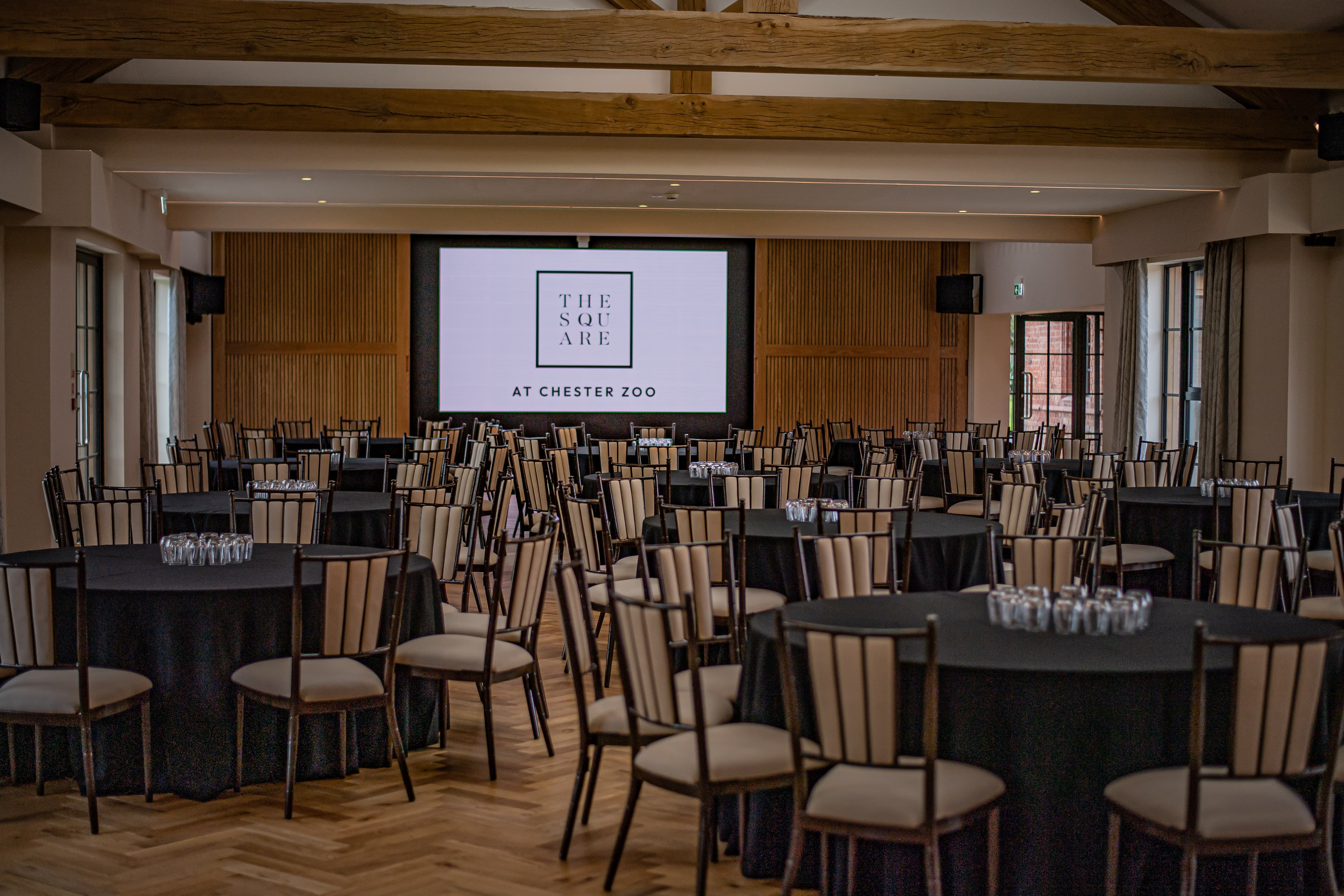
Discover inspiring '25 meeting venues that spark creativity & collaboration. From unique settings to modern spaces, find the perfect fit for your team
Liverpool is a dynamic city with a fantastic selection of venues perfect for corporate summer events.