Blog/Article
Most planners either accept a venue's first quote outright or negotiate on the one thing everyone thinks to ask about, the headline day rate, and leave meaningful value on the table elsewhere. Venues negotiate more than most people expect, but not on everything, and knowing the difference saves both time and awkwardness. This guide covers what is genuinely negotiable, what almost never is, and how to ask for a better deal without damaging a relationship you might want again next year.
Day rate is the obvious one, but it is rarely the only lever. Catering minimums, the smallest order a venue will accept before applying a surcharge, are often more flexible than the headline figure suggests, particularly for a midweek date or a quieter month. Payment terms, such as splitting a deposit into stages rather than one upfront lump sum, are also frequently negotiable and cost the venue very little to agree to. Inclusions are another genuine lever, even when the price itself will not move. A venue reluctant to drop its day rate may be perfectly willing to throw in extra AV, an additional hour either side of the booking, or complimentary Wi-Fi upgrades, especially for a date that would otherwise sit empty. Asking "what else could you include" often gets further than asking for a straight discount. Timing within the negotiation matters too. Venues are generally more flexible the further out a date sits from the booking itself, and considerably less flexible once a date is inside a few weeks, since the pressure to fill the calendar has largely passed by that point. If you know you have room to negotiate, start the conversation early rather than waiting until the date feels urgent to you.
Cancellation and rescheduling terms deserve real scrutiny before you sign anything, since these matter far more if your event actually needs to change than the day rate ever will. Understand exactly what you lose, and at what notice, if plans shift. Liability and insurance requirements are worth reading carefully too, particularly any clause that shifts responsibility onto you for damage or incidents that were genuinely outside your control. Automatic renewal or rollover clauses, more common in longer term or repeat booking agreements than single event contracts, are also worth flagging and pushing back on if you are not certain you want the arrangement to continue by default. None of these are unreasonable to question, and a venue used to working with corporate clients will expect a careful planner to raise them. Damage and additional charge clauses are worth a close look too, particularly anything with vague language around "reasonable wear" or charges applied after the event without a walkthrough together at the end of the night. Ask for a clear process for how any additional charges would be assessed and communicated, rather than discovering them on an invoice after the fact.
A first booking has less leverage on price, since the venue has no track record with you to justify flexibility, but it has more leverage on inclusions, since a venue keen to win a new relationship will often add value rather than discount outright. Repeat bookings flip this. A venue that already knows you deliver reliable, well organised events, and that you are likely to return, is often willing to move more on rate itself, particularly once you can point to a genuine history of bookings. If you are planning a series of events rather than a single date, say so upfront. Venues will frequently offer meaningfully better terms for a confirmed run of bookings than for the same total spend split across separate, uncertain conversations, since it removes uncertainty from their side of the calendar too.
Be specific and be reasonable. A vague request to "do better on price" is harder to respond to than "is there flexibility on the Tuesday rate given we are flexible on catering minimum", which gives the venue something concrete to work with. Where possible, offer something in return, flexibility on date, a longer booking, a bigger catering order, since a negotiation that only asks for concessions tends to land less well than one that trades. Keep the tone collaborative rather than adversarial throughout. Venue coordinators remember planners who were straightforward and fair to deal with, and that reputation often pays off in small, unbudgeted extras on the day itself, the kind of goodwill that a purely transactional negotiation rarely earns.
Is minimum spend negotiable? Often, yes, particularly for a midweek date, a quieter season, or a booking where you can commit early. It is rarely removed entirely, since it protects the venue's own margin on a booking, but the figure itself is frequently more flexible than it first appears, especially if you ask directly rather than assuming it is fixed. Should you negotiate before or after seeing the contract? Before, ideally. Agree the key commercial points, rate, inclusions, cancellation terms, verbally or over email first, then check the written contract reflects exactly what was agreed before you sign. Negotiating after a contract has already been issued is possible but tends to move more slowly, since it often needs to go back through a formal amendment process rather than a straightforward conversation.
A fair negotiation leaves both sides satisfied with the deal, not just one. Browse Member Profiles on the Hotal Marketplace to see clear, upfront pricing and inclusions before you even start the conversation, so you know exactly what is worth asking about.
What you can genuinely negotiate on a venue contract in 2026, from day rate to minimum spend, and the terms most planners never think to ask about.
What actually makes team building work, and how to plan a Leeds session your team will still be talking about a month later.
Planning a bilingual English and Welsh event in Cardiff? What to brief a venue on, from signage to simultaneous translation, done properly.
What a corporate event really costs in Dubai in 2026, including VAT and AED pricing, and how it compares to London and Manchester.
Planning your first corporate event in Newcastle? A practical, no-jargon guide to setting a budget, building a timeline, and briefing a venue.

Corporate event budgeting in Birmingham for 2026: real cost ranges, where budgets typically go over, and how to cut spend without cutting quality.
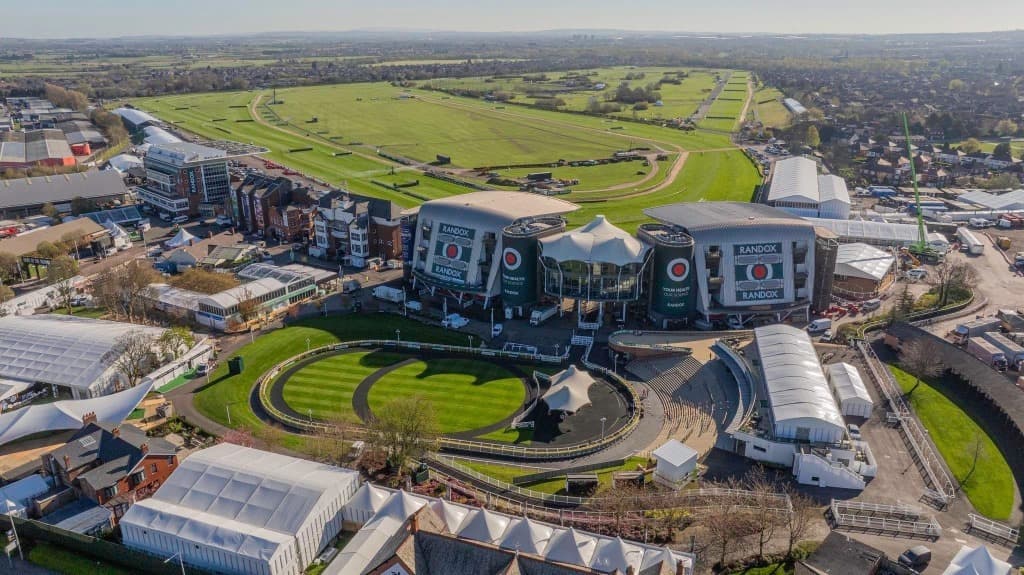
A brand activation lives or dies on the room it happens in. Great creative, a tight budget and a sharp brief can still fall flat in the wrong space
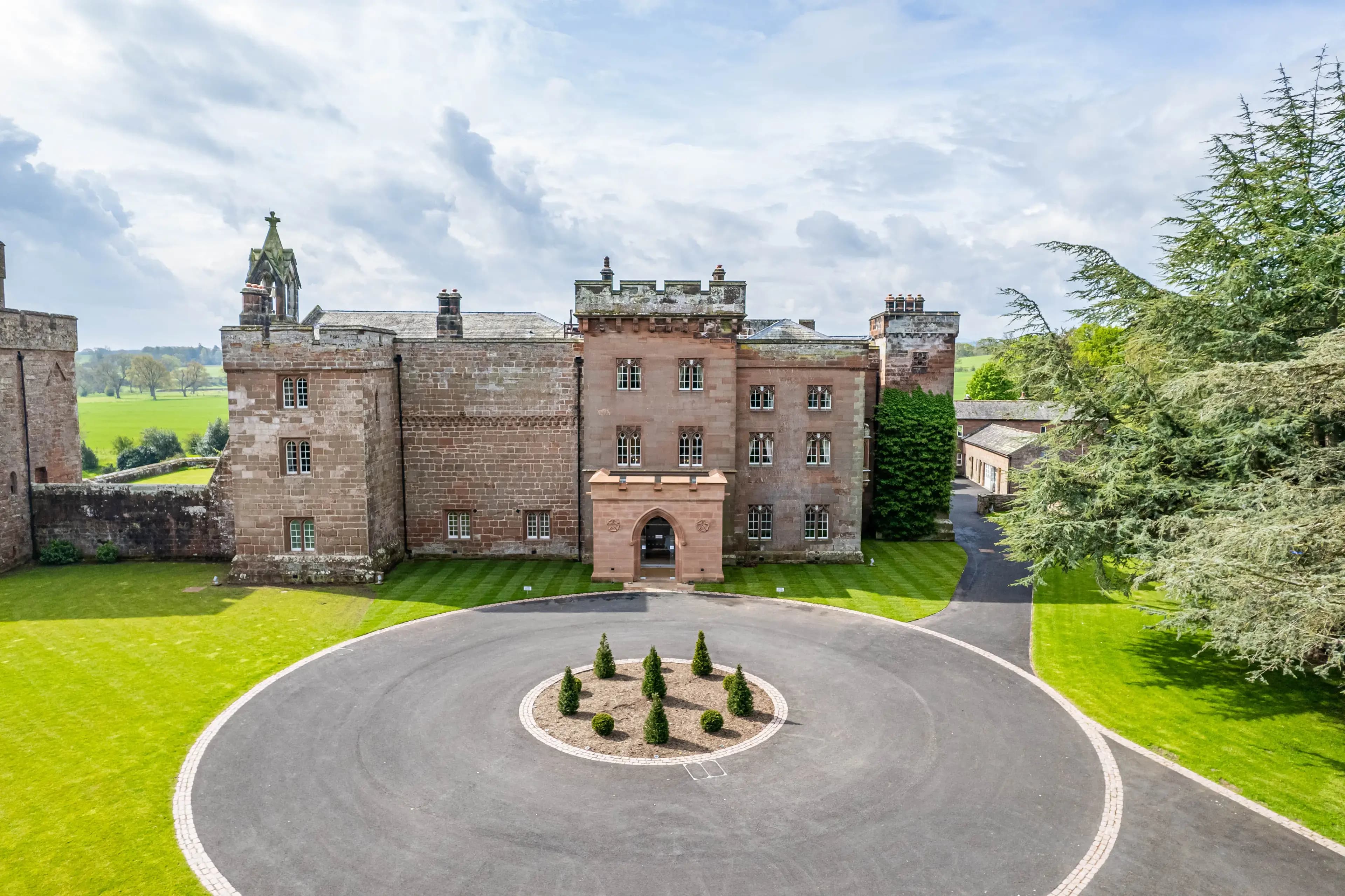
Nestled in the Cumbrian countryside, Rose Castle offers an extraordinary setting for meetings, conferences,, away days, and corporate celebrations.
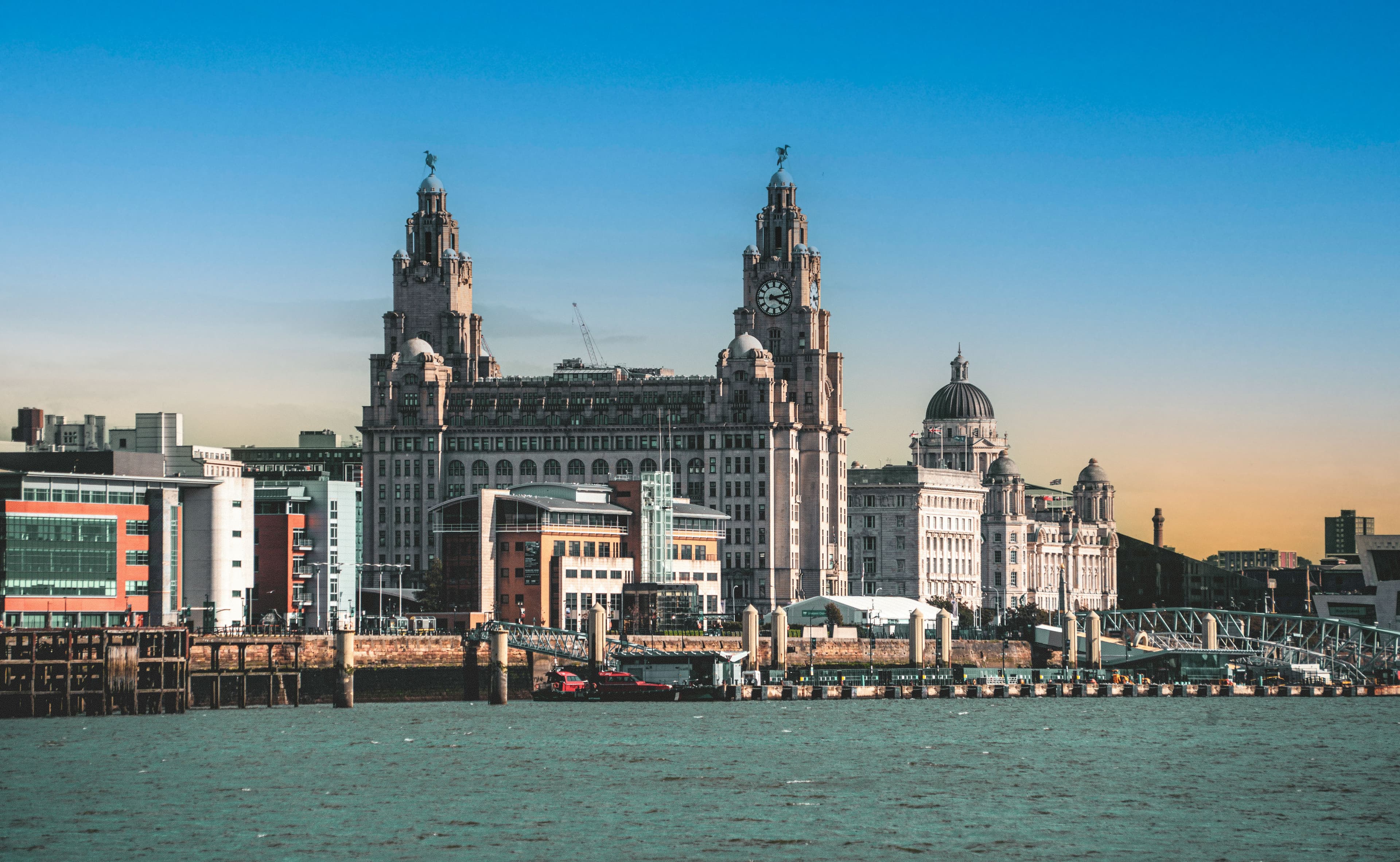
Liverpool comes alive in summer, these are the spaces we'd point you to first, each available to hire and each made for the season.
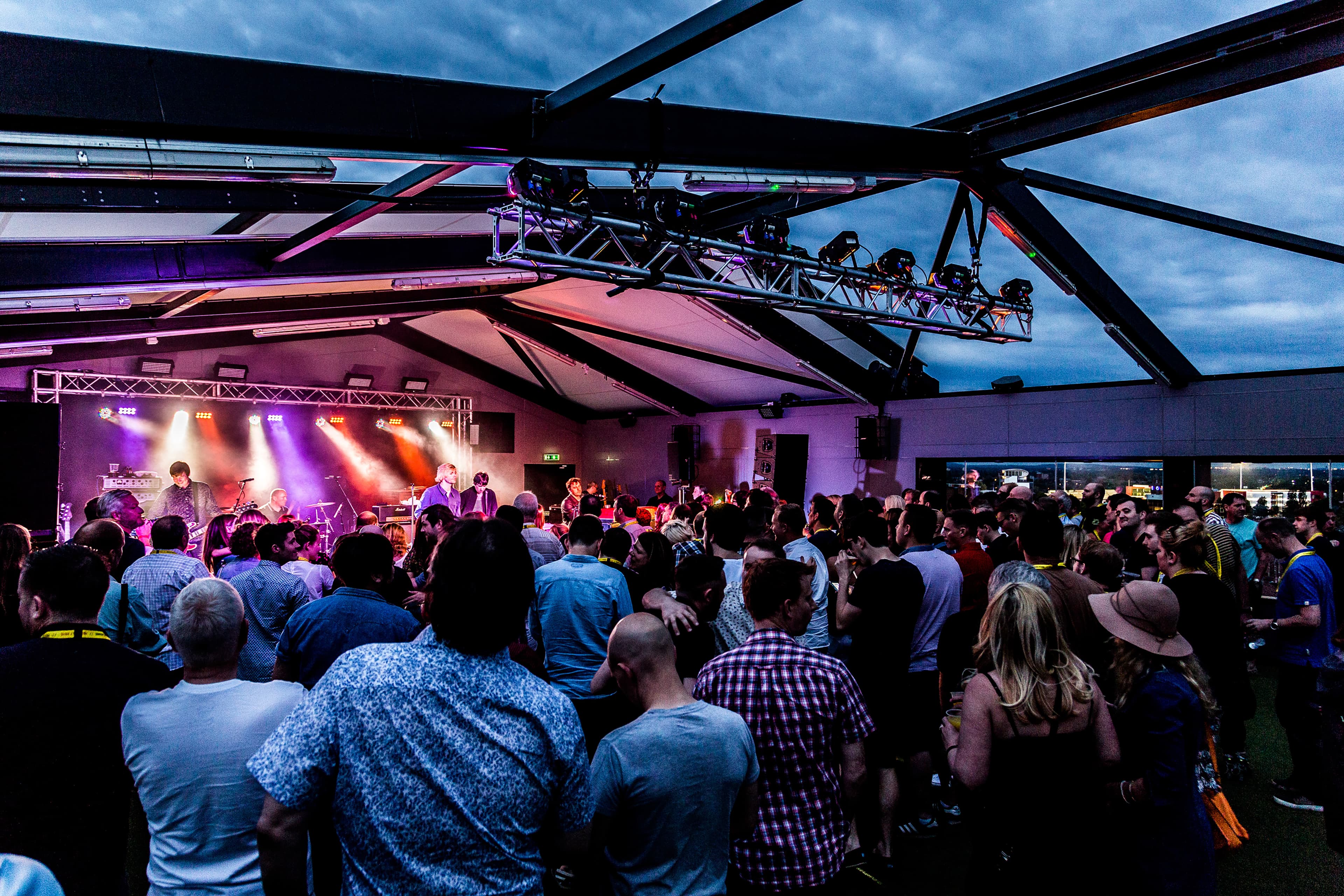
Manchester is a thriving hub for corporate summer events, offering a range of stylish and versatile event venues perfect for summer gatherings.